10 things you need to know about St. Mary’s Loch
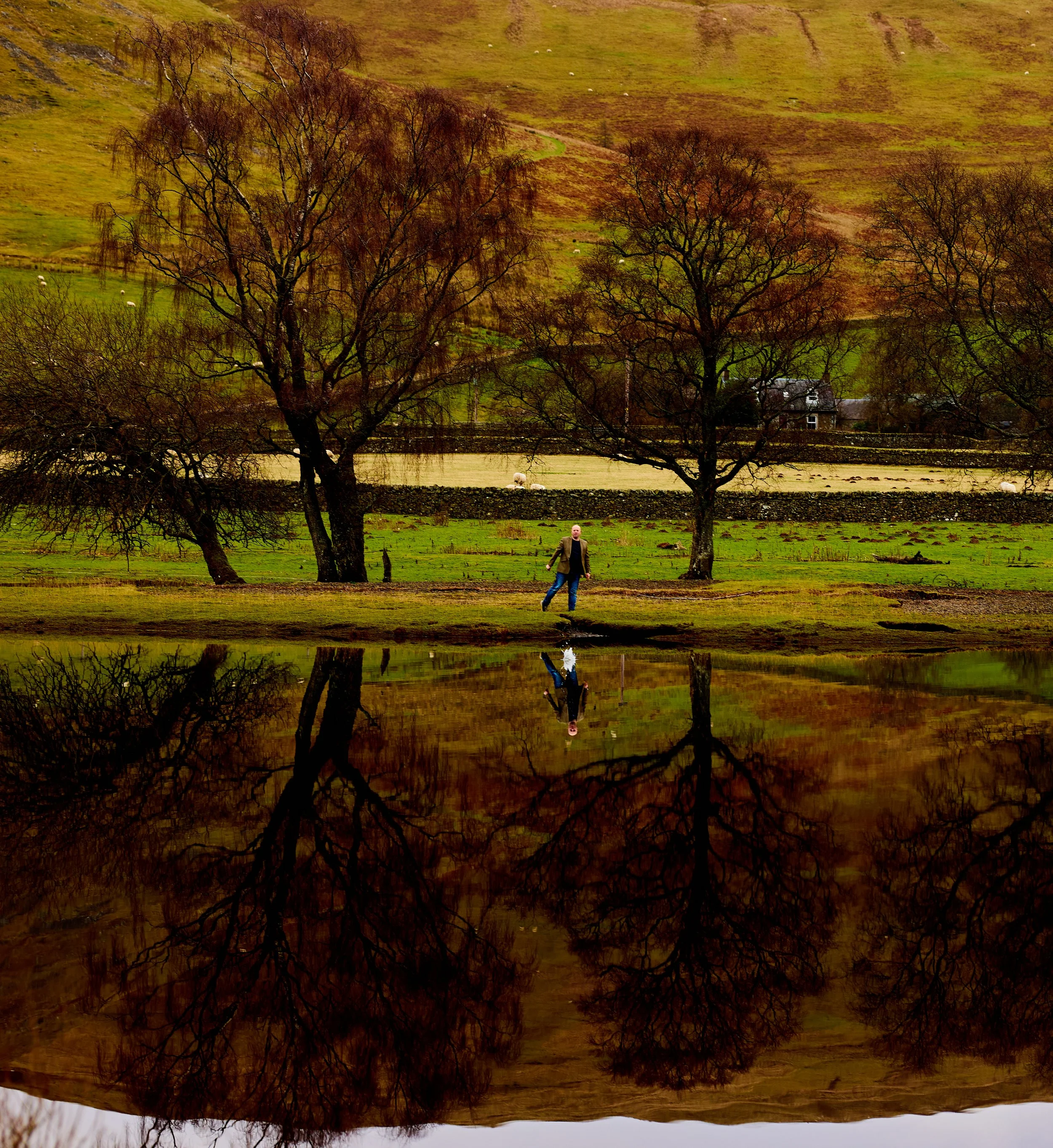
St. Mary’s Loch has long been a special place for me, and one I have written about many times before. It’s clear to me that its pull goes far and wide and today this special place in the Yarrow Valley of the Scottish Borders feels busier than ever. If you’re planning a visit, or simply want to understand why this corner of the Borders has inspired and delighted so many artists, writers and wanderers, here are 10 things you need to know about St Mary’s Loch, stories, quirks and insights that bring this remarkable place into focus.
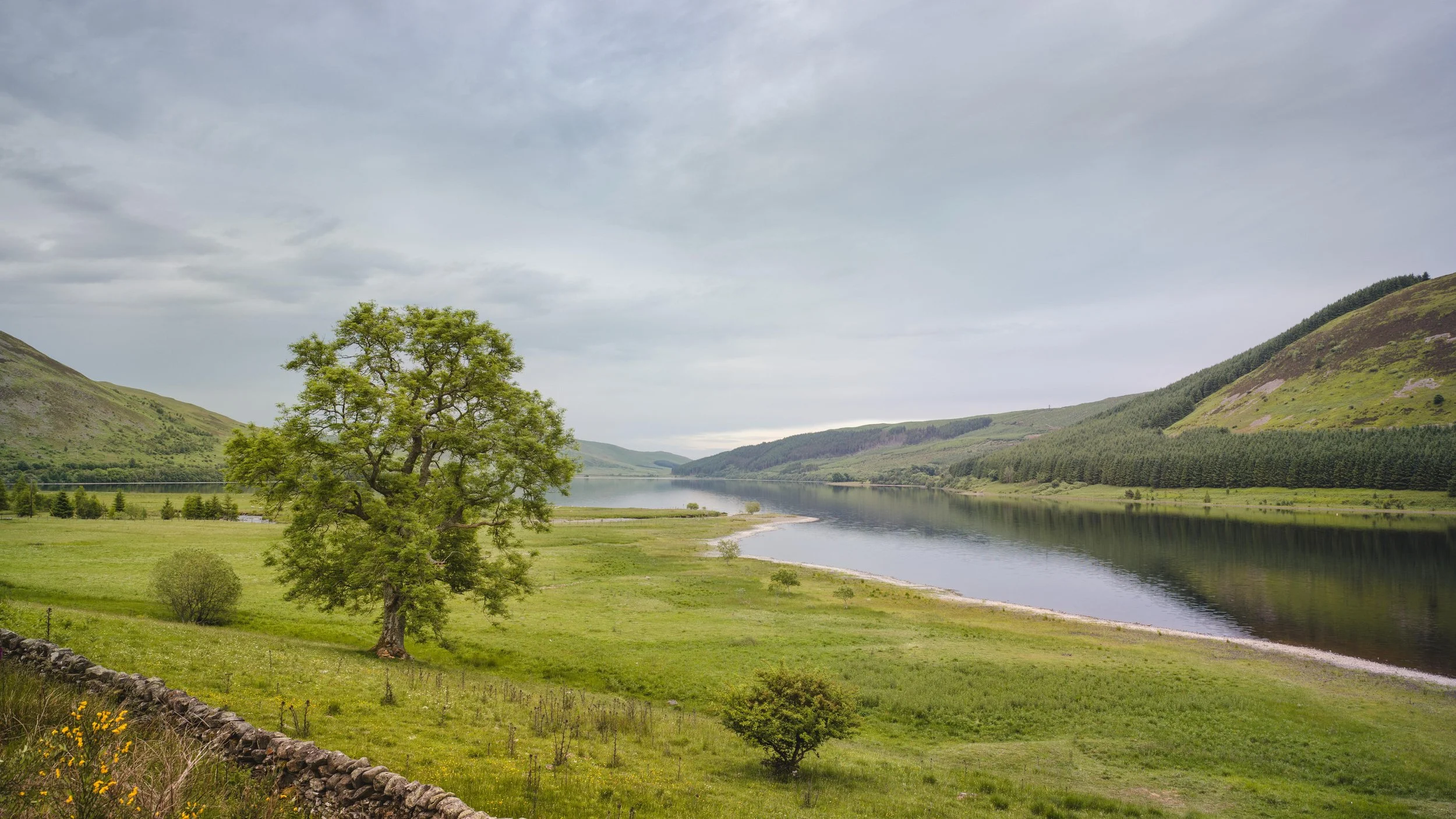
It’s the largest loch in the Scottish Borders
At over 5km long and 1km across at it’s widest point it is by some way the biggest natural body of water in the Borders.
Credit: South of Scotland Destination Alliance
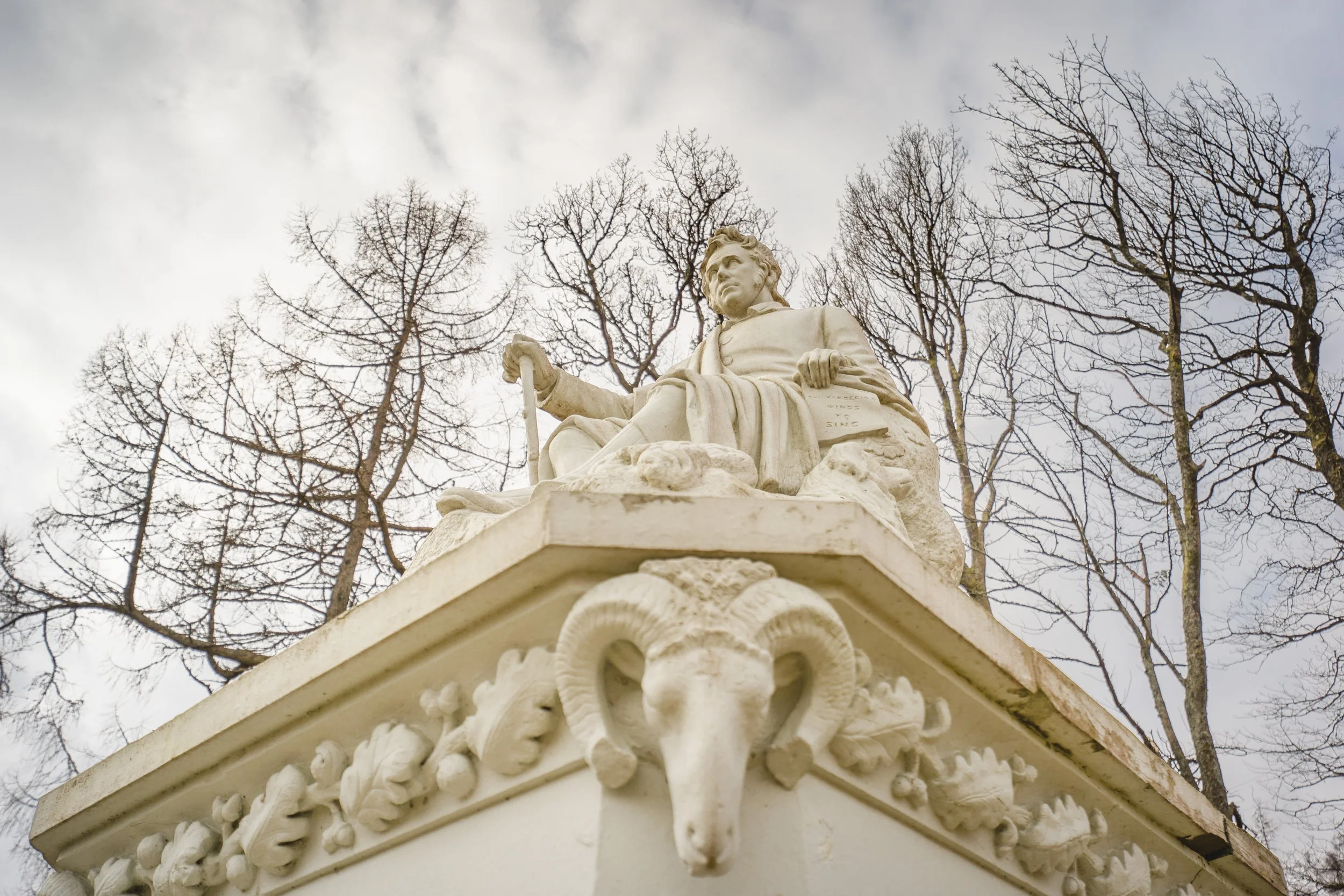
It is overlooked by a statue to a literary giant
The whitewashed statue of James Hogg, the Ettrick Shepherd, looks over the loch and his beloved Tibbie Shiel’s Inn. it was unveiled in 1860, a few decades after his death. Hogg was a largely self educated writer and sometimes looked down upon by the Edinburgh literati of the day, however his 1824 novel The Private Memoirs and Confessions of a Justified Sinner is now seen as a seminal work of Scottish literature.
Flood prevention work
Although a natural loch, there is a small dam and spillway at the northern tip as the Yarrow water leaves towards Selkirk. Work has been undertaken for many years to try and stem floods further downstream.
Summer visitors
In summer months birds such as Curlew, Osprey, Golden Plover and Lapwing frequent the loch and it’s surrounds. So it’s not just us humans that flock here when the days get longer. Speaking of which, remember to visit the Glen Café when you visit the loch for tasty coffee, cakes and lunches.
Credit: South of Scotland Destination Alliance/Duncan Ireland
The Southern Upland Way was officially opened here
A plaque on the wall of the Tibbie Shiels Inn confirms that Scotland’s first official coast to coast walk was opened here in 1984 but Michael Ancram MP. Hundreds of walkers still make the walk every year with thousands more completing short sections.
It used to be even bigger
Alluvial deposits created large peninsulas into the loch and in doing so created what is now recognised as a separate body of water - The Loch of the Lowes, linked to St. Mary’s by a small outlet stream. It is expected that this will happen again further down the loch with sediment and debris from the Megget Water - but long, long after we are all gone…
Credit: South of Scotland Destination Alliance/Ben Bush
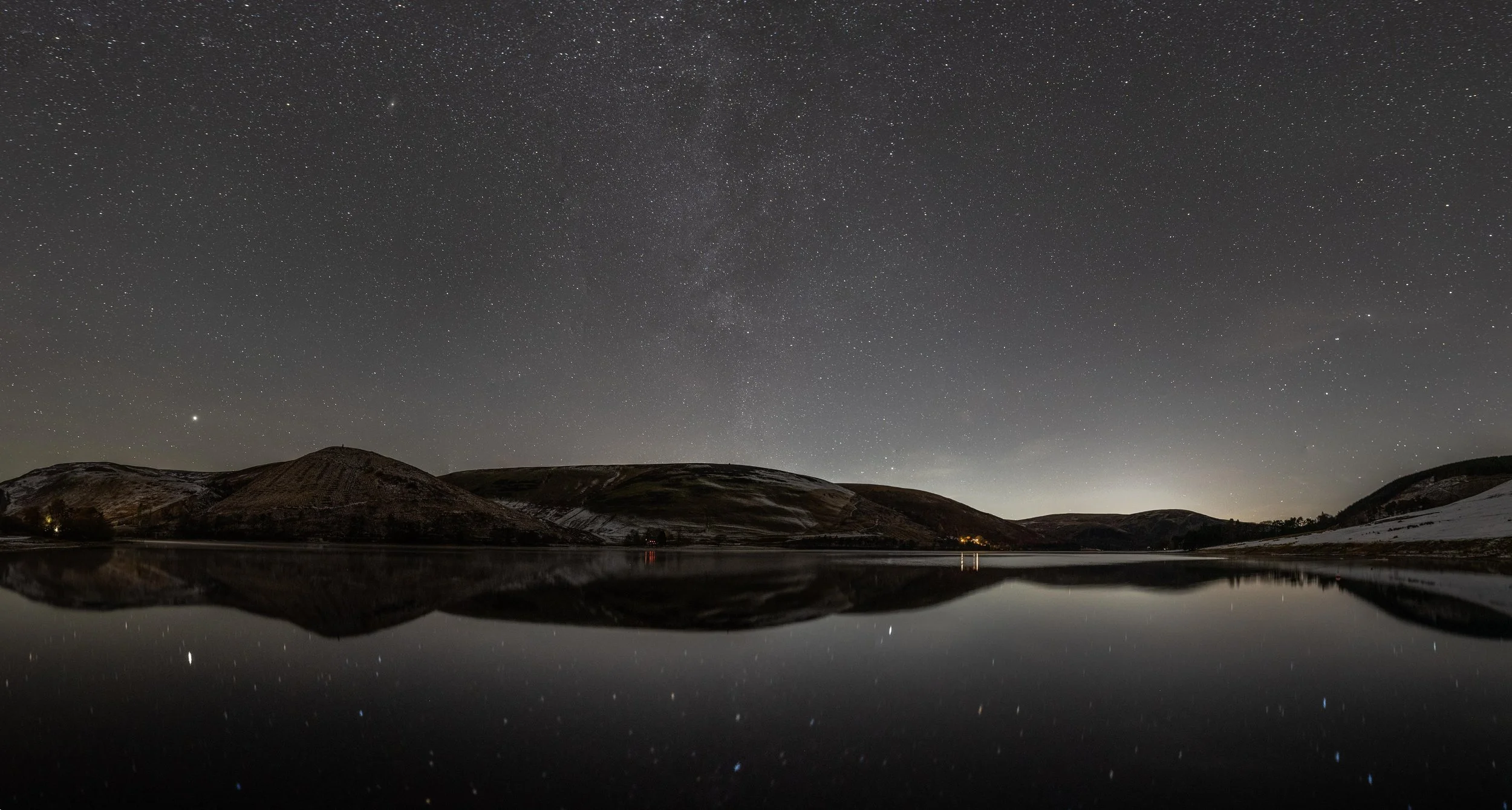
Stargazing
Low levels of light pollution here in the upper Yarrow Valley make the loch a stunning winter stargazing spot.
Named after a Church
The loch is named for St Marys Church which once stood on the hillside above the water, near the hamlet of Cappercleuch. Only an atmospheric burial ground now remains. Each July it hosts an outdoor ‘blanket preaching’ service which commemorates the covenanting movement which was prevalent in the South of Scotland in the 17th century.
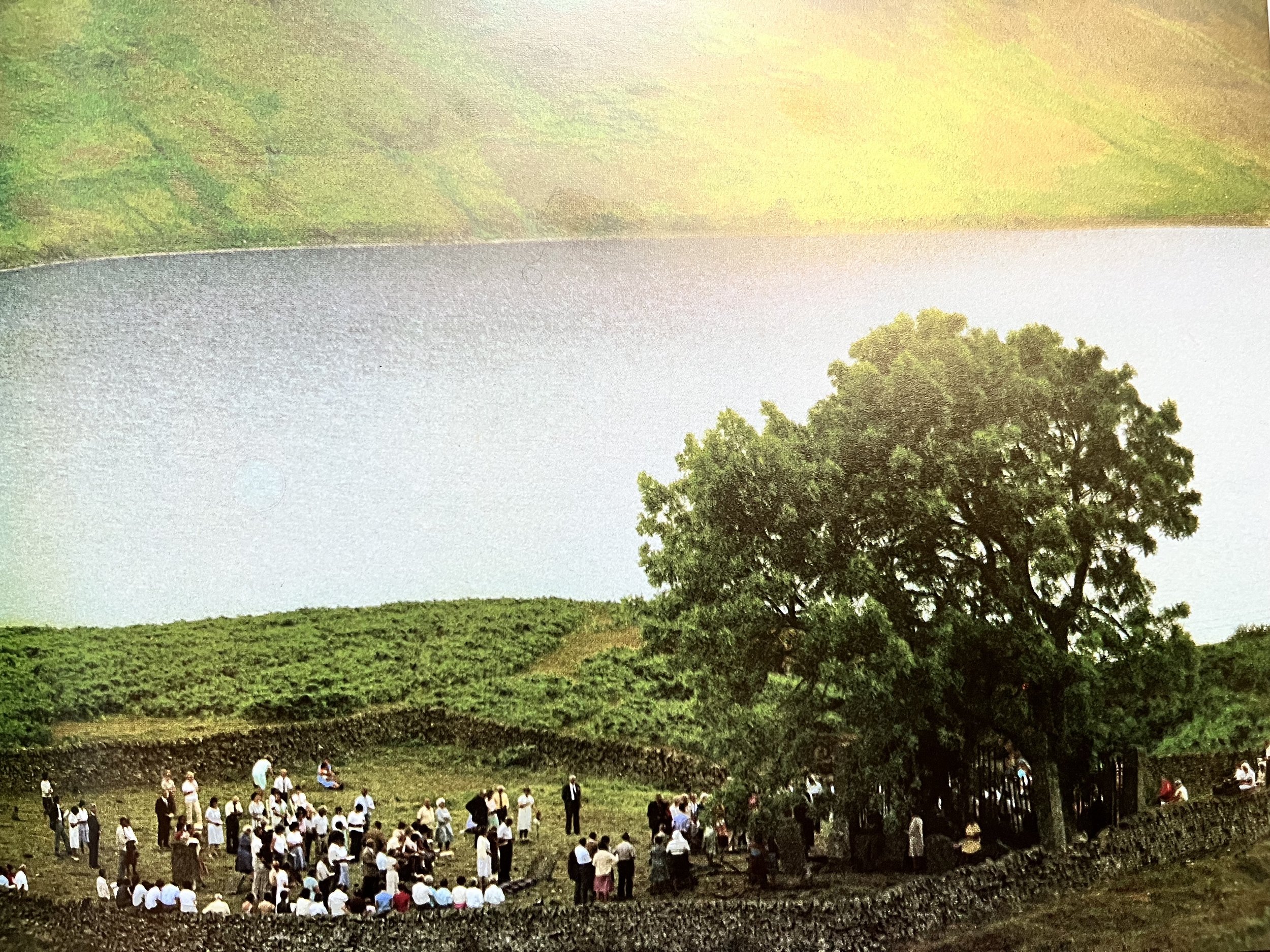
Credit: Charlie Wait, with kind thanks
Immortalised in poetry
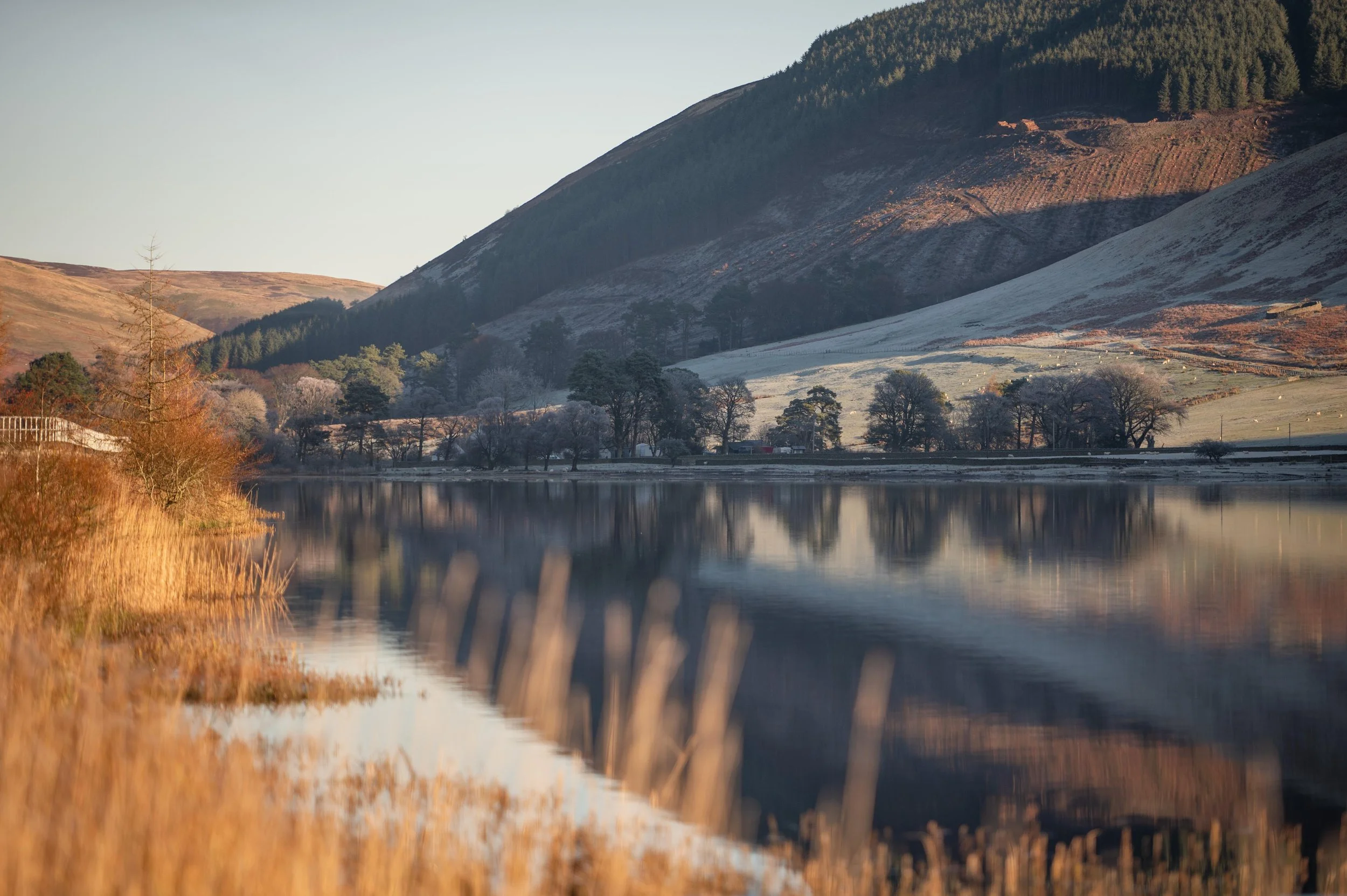
This is one of the loveliest spots in Scotland and it has inspired poets. William Wordsworth included St. Marys in his poem ‘Yarrow Unvisited’, the first of a trio he wrote about the valley. In the poem he talks about why he won’t visit Yarrow, instead romanticising what he thinks it will be like. We will forgive him calling it a lake…
Let beeves and home-bred kine partake
The sweets of Burn-mill meadow,
The swan on still St. Mary's Lake
Float double, swan and shadow!
We will not see them; will not go,
To-day, nor yet to-morrow;
Enough if in our hearts we know
There's such a place as Yarrow.
Credit: South of Scotland Destination Alliance/Duncan Ireland
Tibbie Shiels
Isobel or ‘Tibbie’ Shiel married Robert Richardson and they set up home at St. Mary’s Cottage. After Robert’s untimely death Tibbie started to provide accommodation for anglers and travellers, helping to support he and her young family. She expanded the house and it became an inn. Her friend James Hogg recommended this spot to many of his Edinburgh literary friends, and soon word of the welcome and beauty of this place spread far and wide. Tibbie went on to run her inn for over 50 years before she dies in 1878. You can see her grave by following the historic Captains Road through the hills to Ettrick Kirk, where she lies near her old friend Hogg.
You can find out more about Tibbies and the services on offer today by visiting their website.