Historic Places in Midlothian - 7 Must See Sites to Visit
Midlothian sits between the City of Edinburgh and the Scottish Borders, making it one of Scotland’s most accessible, and most overlooked, places to explore. This is a region packed with history, 5 star visitor attractions and some true hidden gems. From medieval hunting grounds and tales of intrigue to grand Enlightenment estates, peaceful country parks and a rich industrial heritage shaped by coal mining and paper making - I believe Midlothian has a great story to tell.
If you’re planning a trip to Edinburgh or exploring the Scottish Borders, Midlothian deserves a firm place on your itinerary. It’s very easy to reach, full of things to do and home to some of Scotland’s treasures, with many of them still flying under the radar.
Here is my guide to 7 of the best places to visit in Midlothian.
Images: Visit Scotland/Kenny Lam (Rosslyn Chapel, National Minimg Museum, Dalkeith Palace), Visit Scotland/Stuart Brunton (Penicuik) and Visit Scotland/Airborne Lens (Borders Railways at Borthwick). Thank you.
Rosslyn Chapel
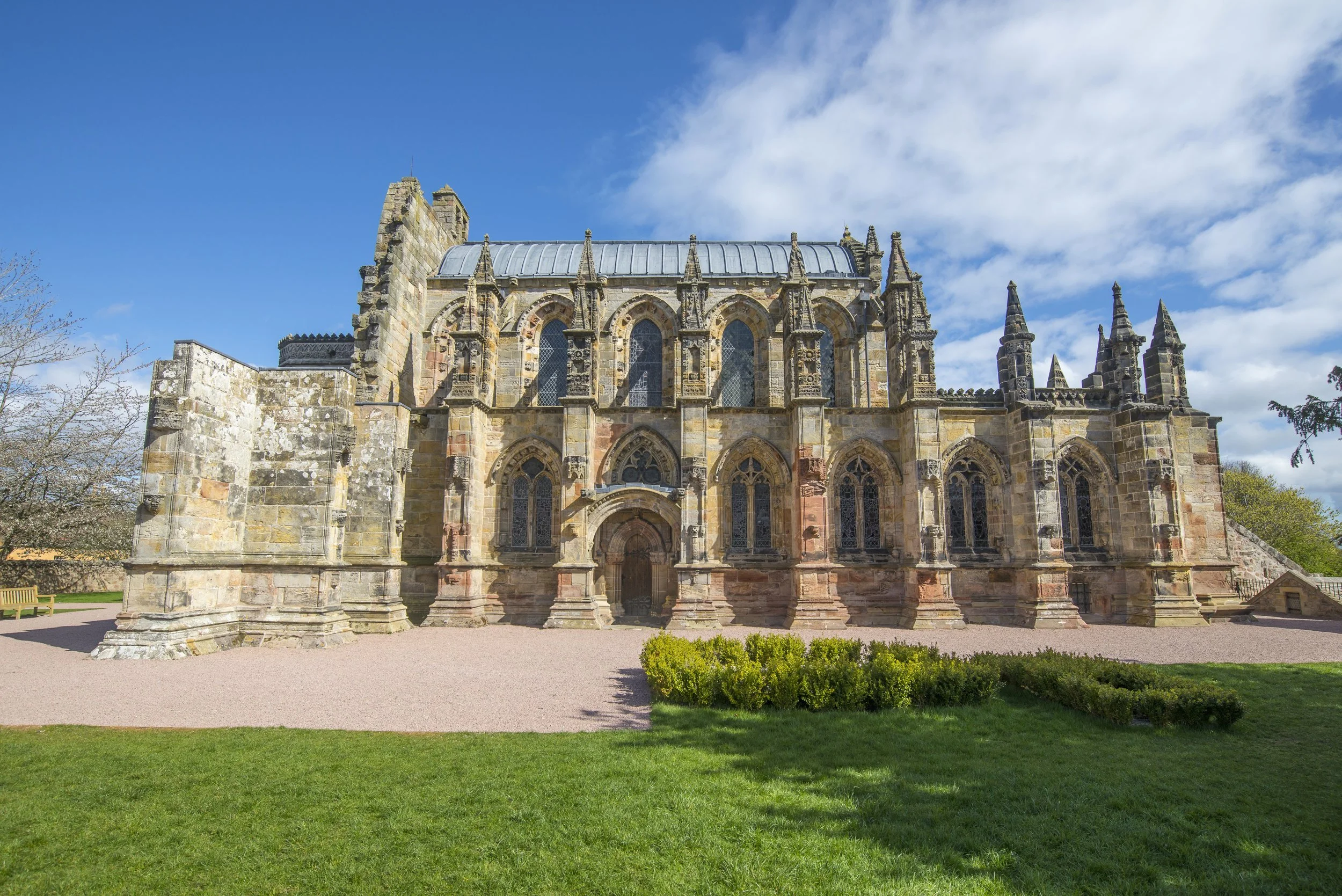
Rosslyn Chapel needs little introduction as it’s one of Scotland’s most famous landmarks, attracting well over 150,000 visitors a year from across the world. Whether you come for the stunning carvings, the legends, the Da Vinci Code connection or simply the atmosphere (I love that they don’t allow photos inside - its a throwback!), its appeal never fades. I visit with guests several times a year and still spot something new every time among the mind boggling carvings.
Despite its global fame, Rosslyn Chapel remains a remarkably intimate place to explore. The Rosslyn Chapel Trust has done an outstanding job of caring for the building and ensuring the visitor experience is consistently excellent. So it’s well known, yes, but it absolutely earns its place on any list of the best things to do in Midlothian and I had to have it on this list.
Temple Kirk
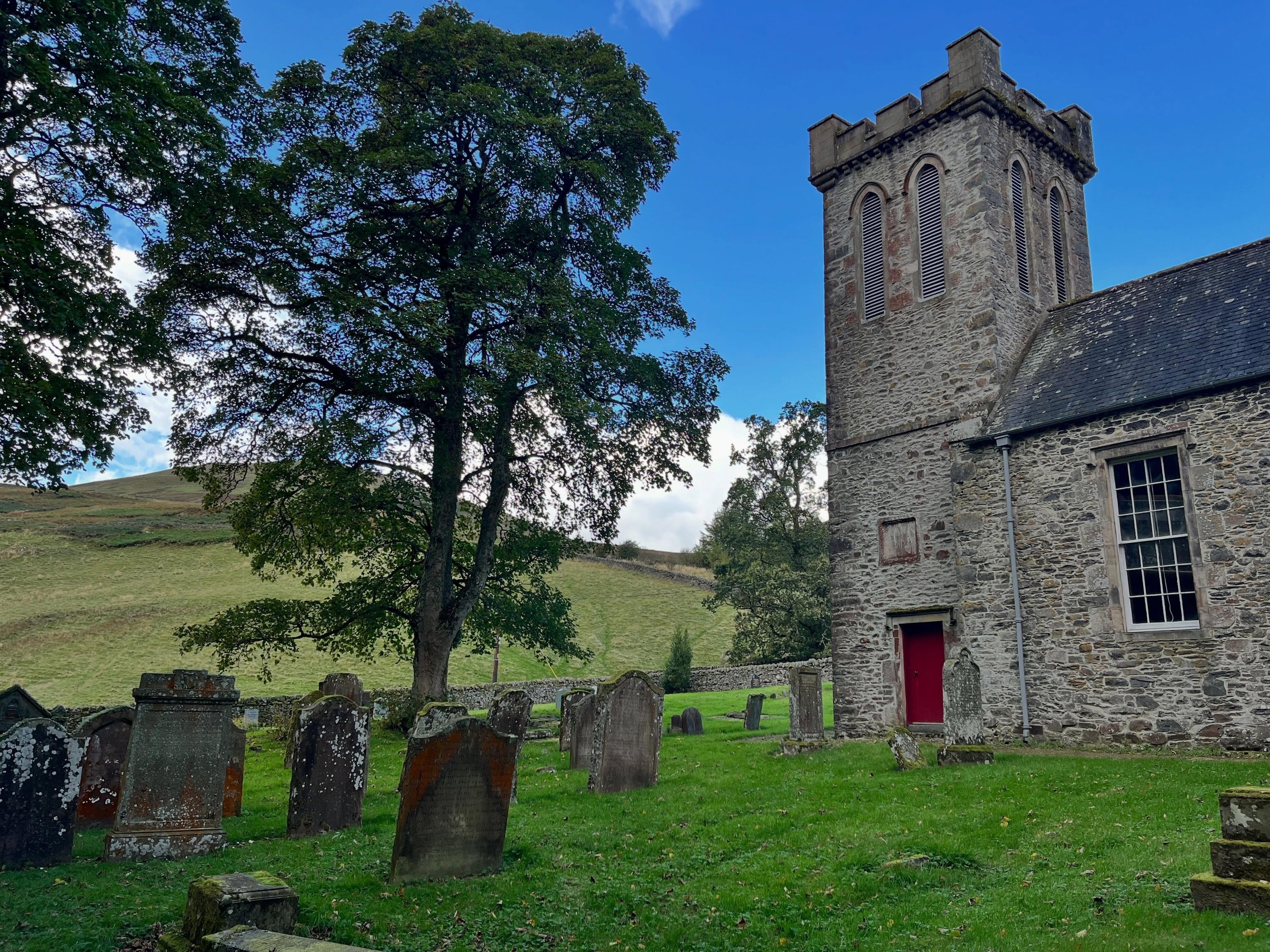
If Rosslyn Chapel is the headline act, Temple Kirk is more at the hidden jewel side of things. Tucked deep into the mysterious countryside and often missed even by locals, this atmospheric ruin sits at the heart of what was once the Scottish headquarters of the Knights Templar legendary orders of Medieval Crusader Knights. It’s ruinous and far less visited than Rosslyn, but is a special place of its own with a real sense of mystery. It always puts me in mind of summer evenings when, returning to the Borders from my old work in Edinburgh, I would go in search of tucked away corners of Midlothian.
Unlike Rosslyn’s steady stream of international visitors, Temple Kirk is usually quiet, giving you space to contemplate in peace and quiet. If you love uncovering places that feel genuinely off the beaten path, Temple Kirk is one to seek out.
Penicuik Estate
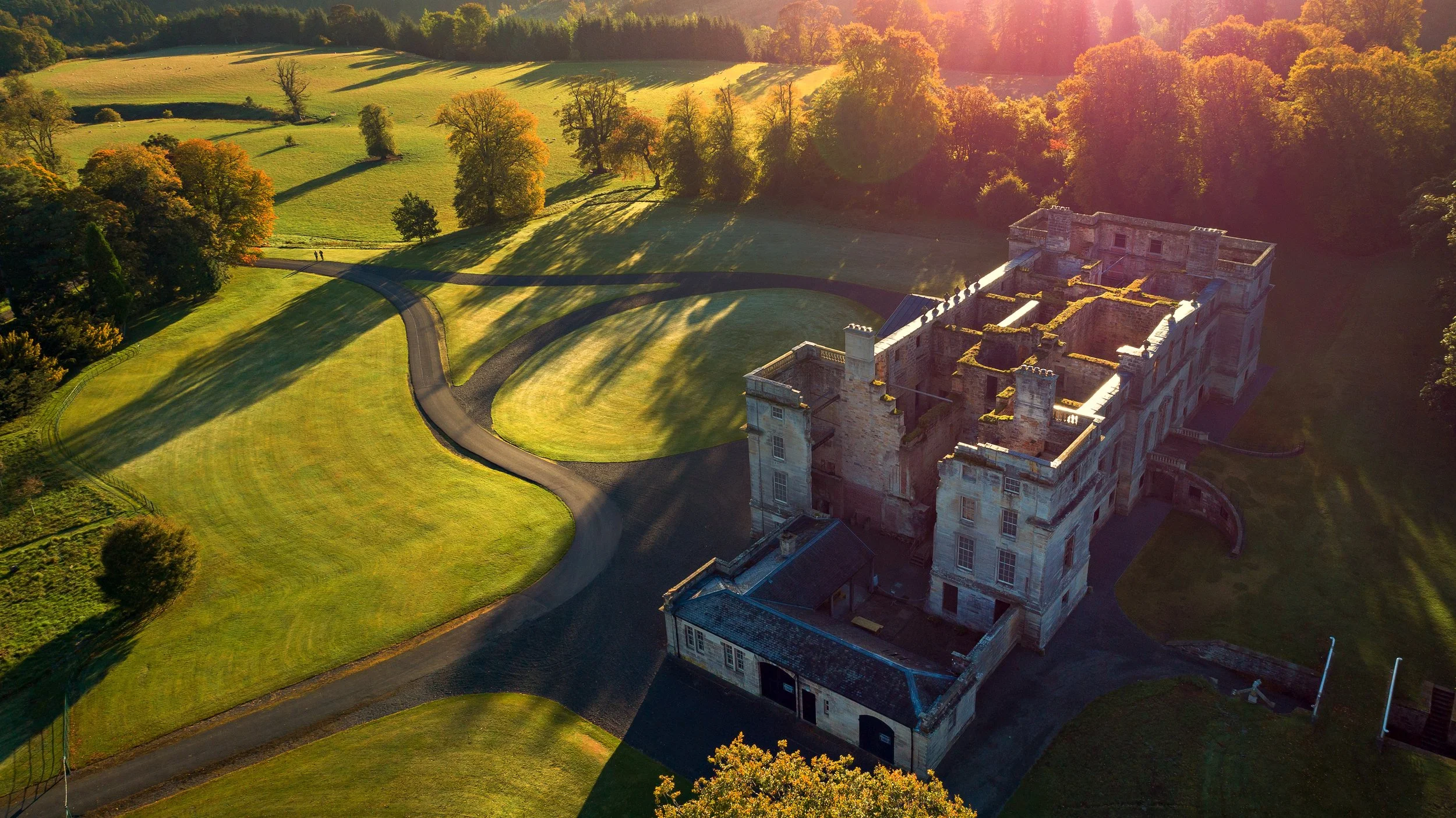
Penicuik Estate is one of Midlothian’s great treasures, in fact I would go even further and say one of the nations great treasures! A vast, beautifully managed landscape with a great story to tell. Thanks to the estate’s custodians (the Clerk family have owned this former medieval hunting land since the 17th century), visitors have access to a dedicated car park and miles of paths that wind through the estate, past follies, bridges and the romantic, preserved ruins of Penicuik House. It’s a place which was designed to be explored on foot and encourage great thinkers of the Enlightenment, so every route reveals something different in this part of the North Esk valley.
At the heart of the estate’s story are the Clerk family, one of Scotland’s great Enlightenment dynasties. Sir John Clerk of Penicuik was an outrageously talented polymath - an antiquarian, composer, architect, writer, thinker and art connoisseur. He helped shape the estate into a landscape of ideas as well as beauty. Generations of Clerks combined his cultural ambition with industrial savvy (think coal mines and paper making - Midlothian’s two key industries), leaving behind a legacy that blends artistry with a deep appreciation for the land of the North Esk.
Today, Penicuik Estate is in very safe hands, with a long term, multi faceted plan unfolding to see it safely into the future. And for guests staying on the estate, I’m proud to serve as the official tour guide, offering tailored walks and insights into the stories, people and art that make this landscape so special.
In short - a trip to Penicuik Estate is an unmissable part of a Midlothian adventure!
Crichton Castle and Collegiate Church
Crichton Castle and the nearby Collegiate Church of Crichton form one of Midlothian’s most peaceful spots, in the upper reaches of the Tyne Water. Midlothian just revels in these sort of tucked away gems, with this one on the edge of the Scottish Borders. The castle feels wonderfully remote despite being so close to Edinburgh.
Unfortnatley, despite being owned by the nation through Historic Environment Scotland, the castle currently closed to visitors due to ongoing masonry‑safety concerns, but it’s still absolutely worth the walk for the views alone.
Just along the track sits the Collegiate Church, one of Scotland’s best preserved late medieval churches. It’s sometimes open on selected days, but even when the doors are closed the setting is worth visiting. Combined the castle and church form a perfect stop for anyone who loves history and solitude, making a great place to get some moody pictures. Even with limited access, this is one of Midlothian’s most tranquil places to explore.
Borthwick Castle
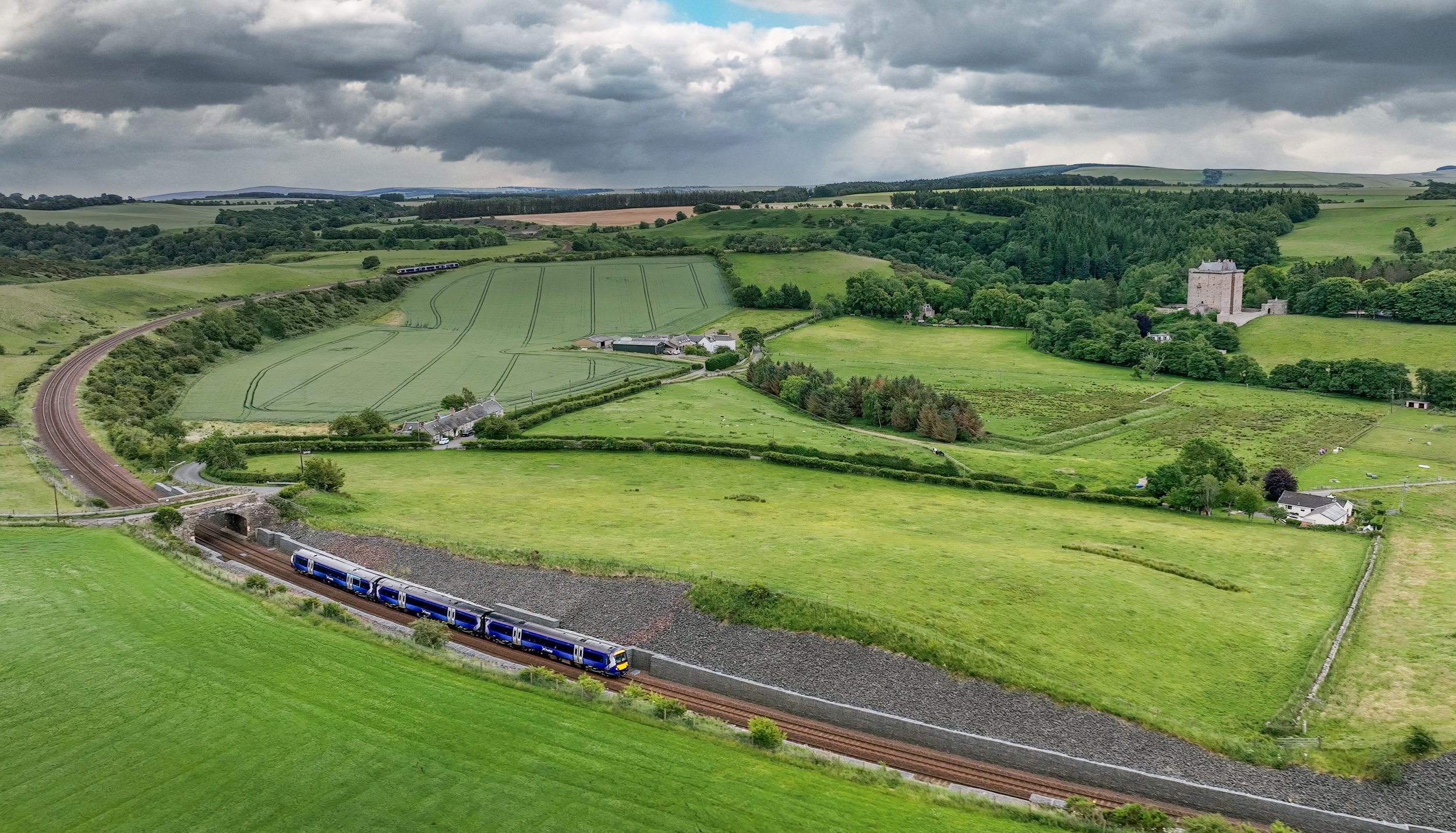
Borthwick Castle is one of Scotland’s most imposing medieval fortresses - a soaring 15th century tower house tucked into quiet Midlothian countryside near the Scottish Borders. It’s close to Crichton Castle, in fact there is a rough at points path linking the two. Today Borthwick operates as a private venue, so it isn’t open for general public visits, but its presence in the landscape is really striking so I had to include it.
If you’re travelling by train between Edinburgh and the Borders, keep an eye out as the castle appears dramatically, on a big loop (see image above). Its towers giving a sense of the power and prestige it once commanded - Mary Queen of Scots and her third husband Bothwell sought refuge from their enemies here in 1567.
Because Borthwick Castle is now a private venue, you can’t explore the interior unless you’re attending an event or staying there, but it’s presence in the landscape and the legends surrounding it made it a must for my list.
Dalkeith Palace
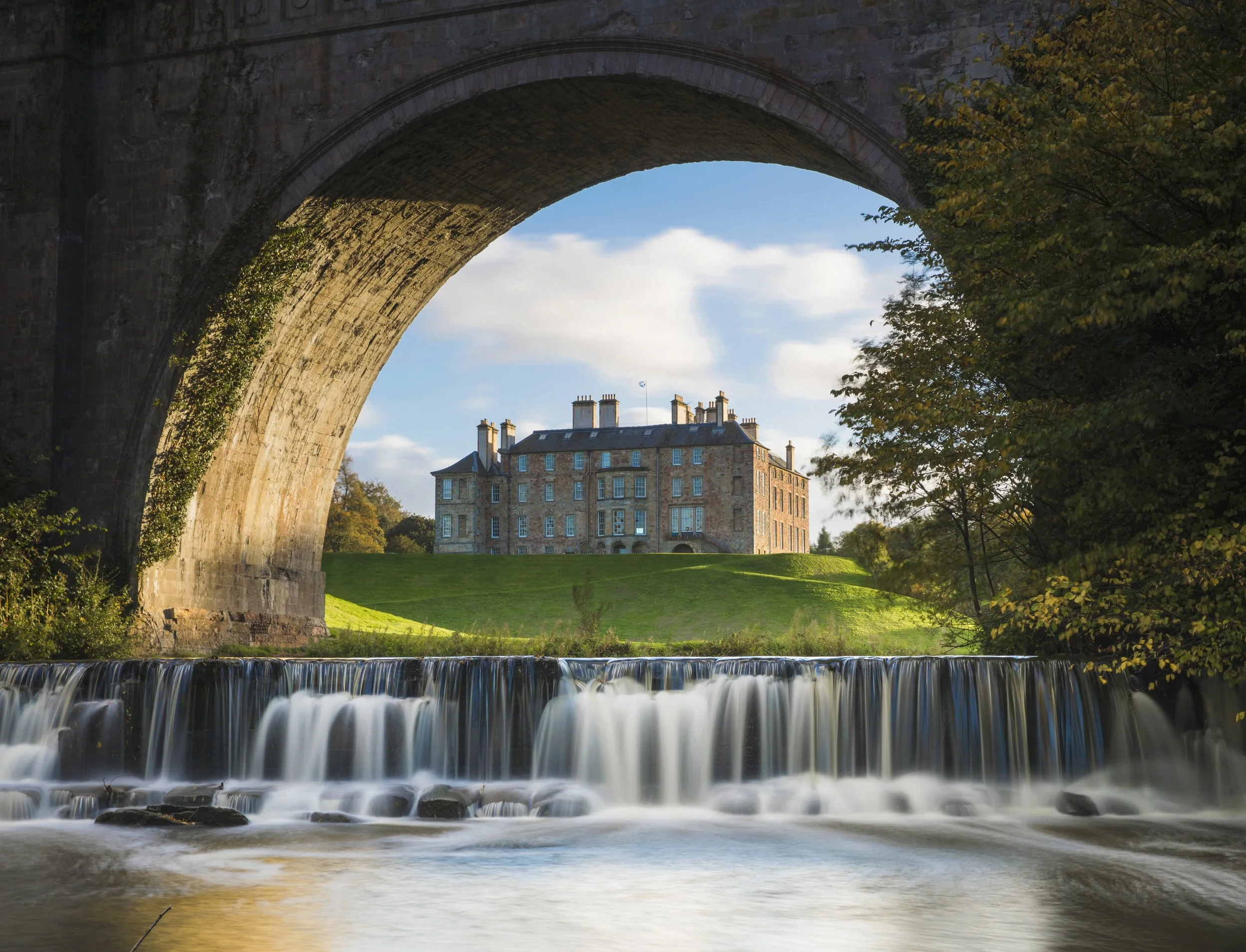
Dalkeith Palace is one of Midlothian’s most elegant historic landmarks, in my mind always associated with Anna, 1st Duchess of Buccleuch, whose taste helped turn it into one of Scotland’s most fashionable aristocratic homes in the 17th century. Even today, I have always felt the estate still carries that sense of refinement and grandeur, tucked away by the Edinburgh City Bypass.
The wider Dalkeith Country Park is beautifully managed and full of surprises, not least the magnificent Montagu Bridge, one of Scotland’s finest single arch bridges. At the heart of the estate sits the Restoration Yard, a stylish blend of café, shop and restaurant that manages to somehow feel both contemporary and deeply respectful of in the estate’s Buccleuch heritage. Absolute dynamite kids playground too!
While most visitors head straight for the park, I think Dalkeith’s historic high street deserves far more attention. With centuries old buildings and a layout that still reflects its medieval origins, it’s one of the most characterful town centres in the Lothians, and like much of this are it is hugely overlooked. Hats off to the Dalkeith Guerrilla Gardeners who give up their time to keep it tidy.
The National Mining Museum, Netwongrange
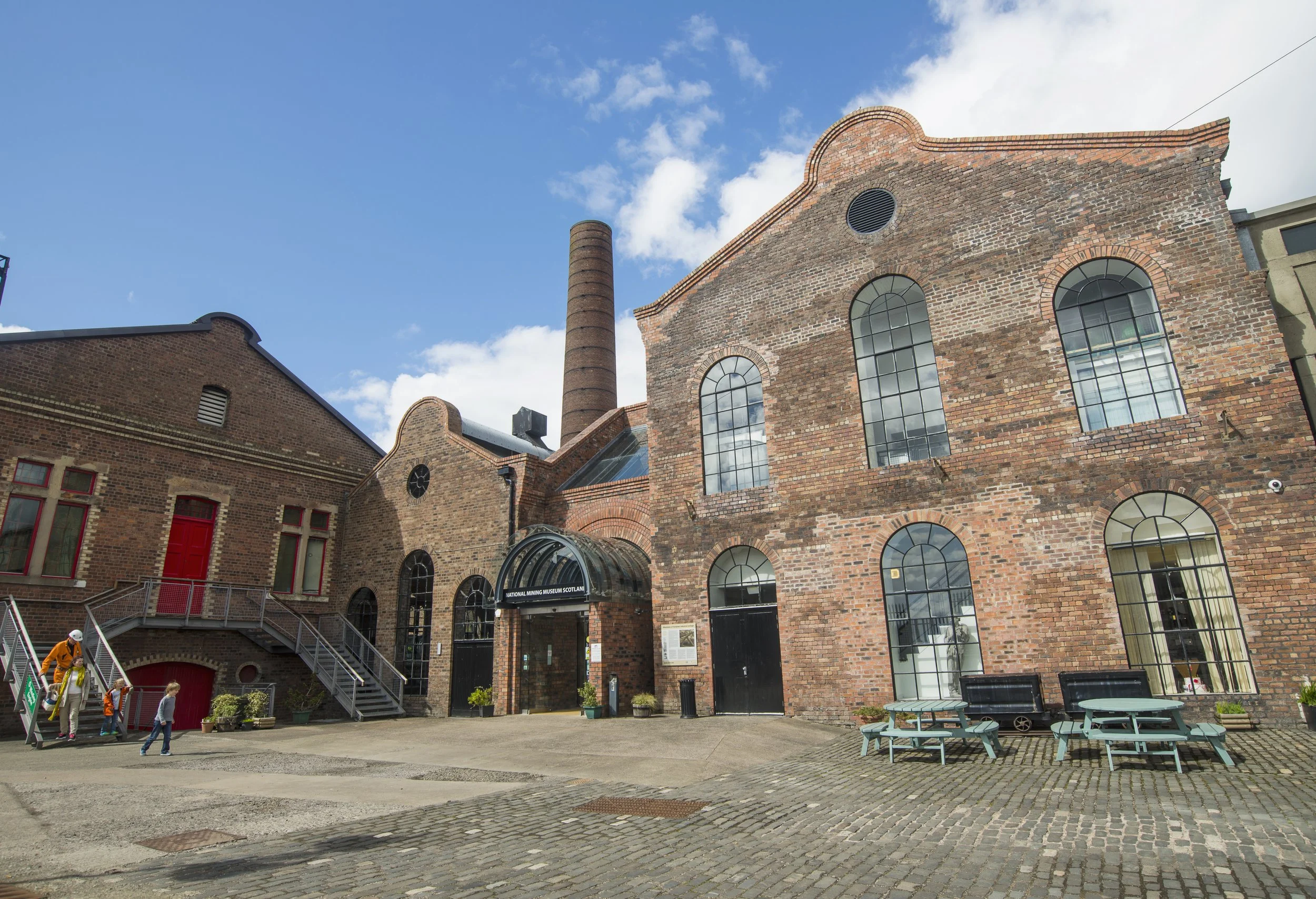
The National Mining Museum Scotland is one of Scotland’s most atmospheric and rewarding visitor attractions. It is a place where Scotland’s industrial past feels close and tangible. This moved moved me, as I was born in the early 1980’s, and grew up in really a post-industrial Scotland. The museum is in Newtongrange, easily accessed from the Borders Railway (it has its own entry from the towns station). Set within the preserved Lady Victoria Colliery, it’s a site that tells the story of coal mining through both the built environment as well as the lives of the people who worked here.
What makes the museum truly special for me are the ex‑miner guides. Their stories, humour and lived experience bring the site to life in a way no display panel ever could. The reality is though that the pit closed in that same year that I was born so, not to put too fine a point on it, the miners aren’t getting any younger. None of us are, so plan your visit today!
It’s also worth noting that it is a brilliant day out for families. Three generations of my family spent a full day here and were captivated from start to finish, no mean feat.
If you’re looking for a visitor attraction near Edinburgh, then there can be few better than the National Mining Museum.
I hope you enjoyed my list of historic places to visit in Midlothian. Let me know what I missed, and start planning your trip to Midlothian today!
Keep up to date with Tweed Valley Blogger on Instagram